
Services
Speaking and Workshops
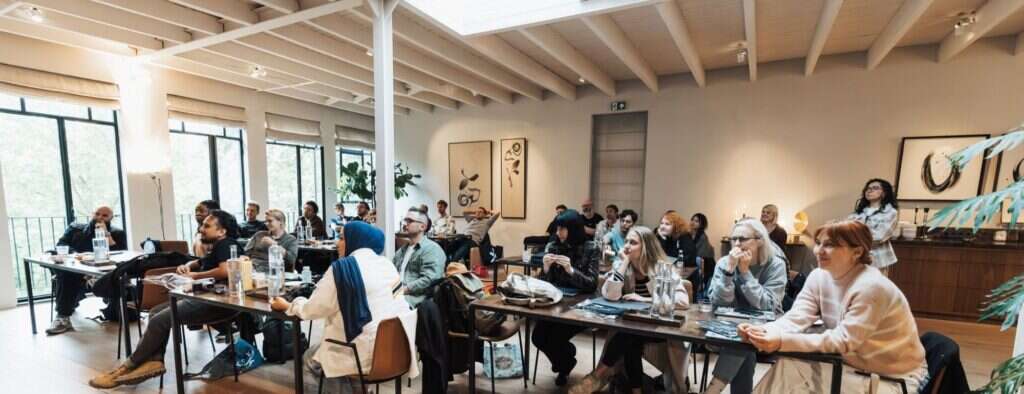
Every audience arrives with something different in the room: a different caseload, a different pressure, a different reason someone booked this day. The examples change. The message does not.
Formats
Formats and Delivery
Whether it is a sixty-minute keynote, a workshop, or consultation services, the message is the same: people leave with language for something they have felt but not named, and with practical tools they can use in their next conversation. Not inspiration that fades by Friday.
Speaking
Speaking · 45 to 60 minutes
For conference plenaries, association meetings, staff days, and opening sessions. Story-led, built to shift how a room sees the people it serves.
Conference Breakout or Concurrent Session · 60 to 90 minutes
A more practical format. Participants leave with one tool and a clear sense of how to use it.
Workshops
Half-Day Program · 3 hours
For staff development days and in-service training. Introduces the practice and describes core tools, with time to work through real examples.
One-Day Program · Full working day, maximum 25 participants
The practice in full, applied to the participants’ own situations. Small group by design: this format depends on people bringing their own cases into the room.
Two-Day Program · Two consecutive days, maximum 25 participants
Day one establishes the practice and the tools. Day two applies them to the difficult ground: families in conflict, staff grief, transitions, and how a team sustains this when the pressure is on. Teams leave with tools and strategies to aid in these everyday challenges.
Delivery
Virtual Delivery
Half-day programs are available virtually.
One-day and two-day programs are delivered in person, as they rely on the dynamics and interactions that occur among participants in the room.
Tell me about the people you support.
What I Cover
Topics and Programs
Sessions are developed on:
- Personhood and human dignity
- Disability, caregiving, and hidden grief
- Keeping the student at the center
- End-of-life journey
- Leadership through a person centered lens
- Creating person centered organizations
- Communication, relationships, and meaningful support
- Supporting staff through a person centered approach

Seeing the Person Before the Circumstance
For disability services, community living, healthcare, education, and any team supporting people over the long term
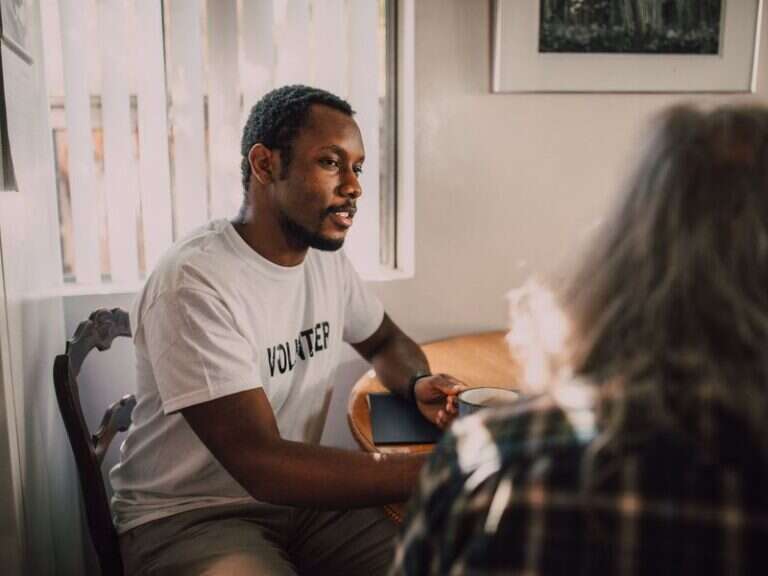
This is the foundation. Person centered practice asks us to look closely at what happens to a person when this part of the conversation is missing, and what that can cost the family, the staff, and the community around them. We also explore what person centered practice is, and look at ways to incorporate this philosophy into everyday practice.
Participants leave able to:
- Recognize the moments in everyday practice when the circumstance moves ahead of the person
- Reconnect teams to the shared purpose that sustains person centered work under pressure
- Use a structured tool to capture who someone is, not only what they need
Person Centered Conversations: Living Well While Dying
For hospice, palliative care, long-term care, home care, and volunteer teams
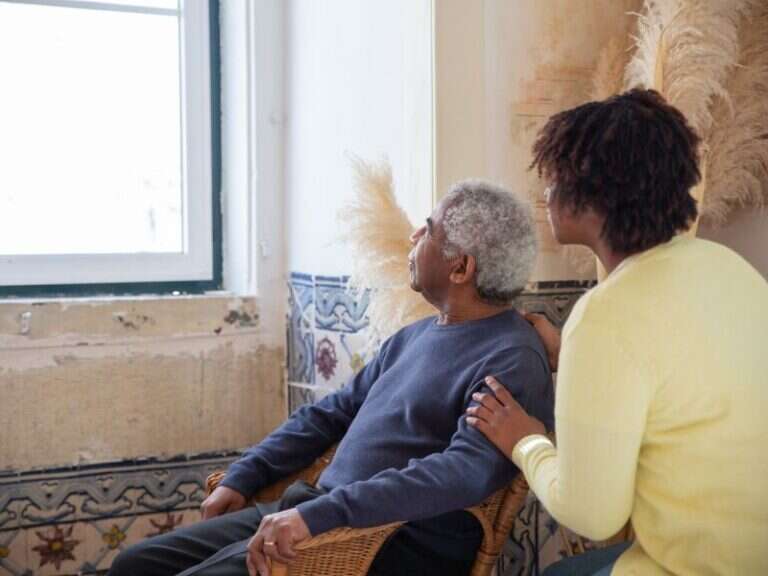
Strategies to keep a person recognizable to themselves as their circumstances change, and how to support the family and the staff who are living it alongside them.
Participants leave able to:
- Hold conversations about what matters most, at a stage when those conversations feel hardest to start
- Recognize grief in families, in colleagues, and in themselves, including the grief that goes unnamed
- Support a person’s identity, preferences, and relationships through the final stage of life
- Use structured tools to assist in keeping the individual at the center of the conversation and the planning stages
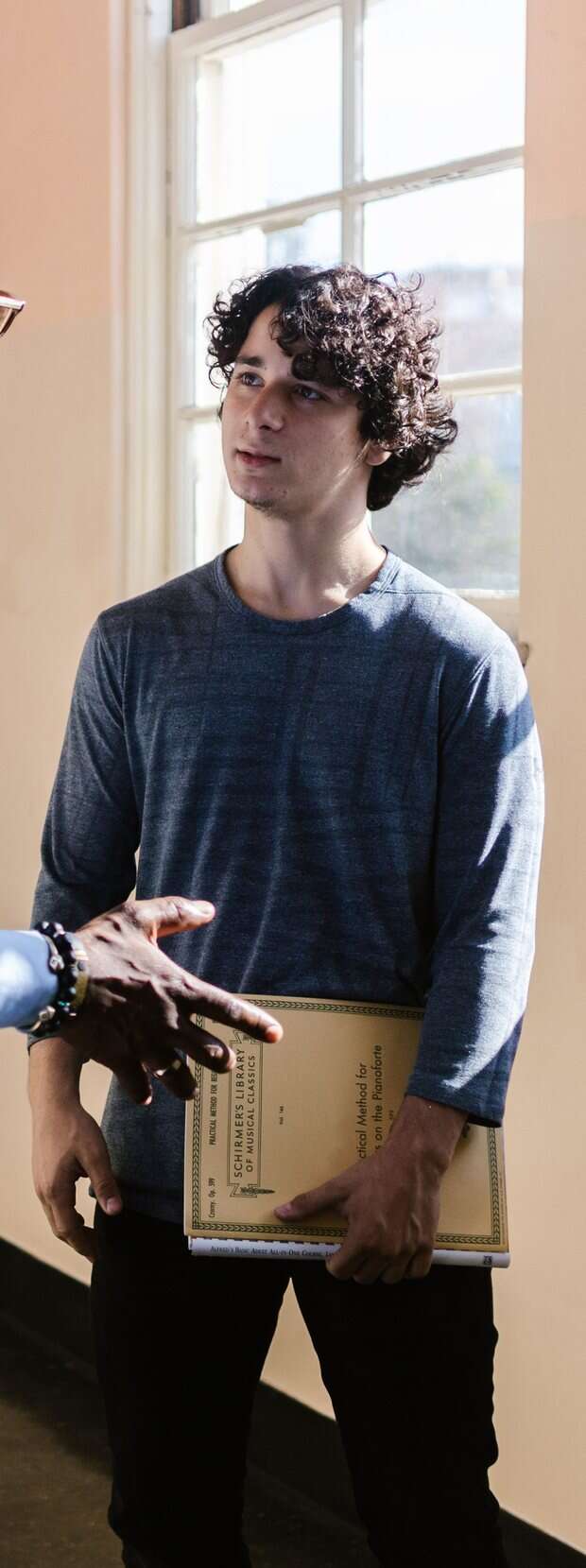
Person Centered Planning: Keeping the Student at the Center
For educators, school districts, student support teams, families, and community partners involved in student planning and transitions
Person centered practice begins with the student: their voice, values, and lived experience, not the system or the service. It asks us to notice what happens when the circumstance moves ahead of the student, and to bring the conversation back to what matters most to them. Staff become facilitators of recognition and belonging, ensuring that planning reflects who the student is, not just what they need. This approach reconnects teams to the shared purpose that sustains person centered work under pressure, and keeps the student recognizable to themselves as life and learning evolve.
Participants leave able to:
- Hold conversations that begin with what matters most to the student
- Use structured tools to capture who someone is, not only what they require
- Reconnect teams to shared purpose and person centered values in daily practice
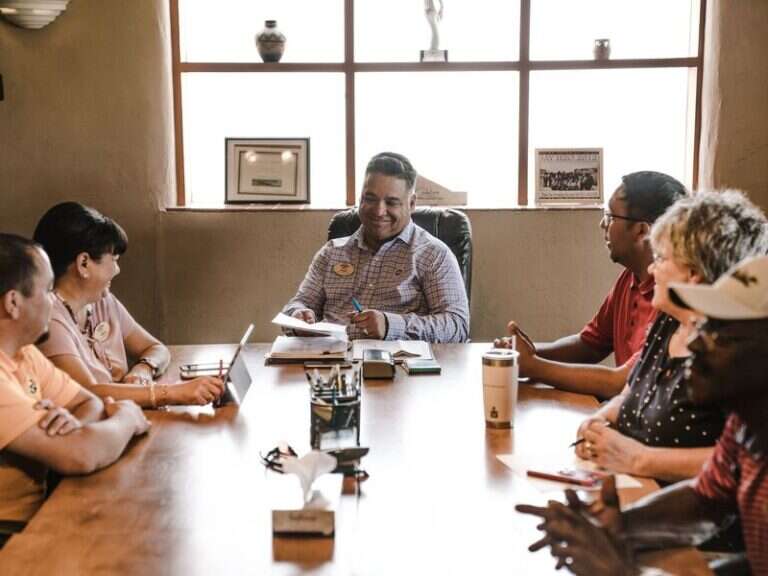
Building Person Centered Organizations
For leadership teams, program directors, and board members
Organizational consultation supports senior leaders to incorporate person centered practices and principles into everyday operations and culture. It focuses on aligning leadership, policy, and practice. Through reflective dialogue and structured consultation, organizations learn to listen deeply, act flexibly, and sustain compassionate practice even under pressure.
Consultation outcomes include:
- Strengthened alignment between organizational systems and person centered values
- Increased staff capacity for reflective, responsive practice
- Sustainable structures that support connection, compassion, and shared purpose across teams
- Staff are confident that policies match the intended outcomes
People leave with language for something they have felt but not named.
Cindy Trepanier
Start Here
Book Cindy
Tell me about your people and what you are hoping they walk away with, and we will find the format that fits.
The Person Centered Practice · Cindy Trepanier · Speaker, Educator, Consultant
cindy@cindytrepanier.ca · (780) 933-7822